Emergencies can happen without warning, whether at home, at work, or in public. In those critical moments before professional help arrives, knowing basic first aid can make a meaningful difference. First aid is not a substitute for medical care, but it helps stabilize a situation, reduce further harm, and provide comfort until trained responders take over.
Understanding a few essential principles can help anyone respond calmly and effectively.
Staying Safe and Assessing the Situation
Before offering help, it is important to look around and make sure the environment is safe. Hazards such as traffic, fire, exposed electrical wires, or unstable objects can put both the helper and the injured person at risk. Taking a moment to assess the scene helps prevent additional injuries and allows you to act more effectively.
If the situation appears serious or life-threatening, emergency services should be contacted immediately.
Knowing When to Call for Emergency Help
Certain symptoms require immediate professional medical attention. A person who is unconscious, struggling to breathe, bleeding heavily, experiencing chest pain, or showing signs of stroke needs urgent care. Delaying emergency assistance in these situations can lead to serious complications. Even when basic first aid is provided, emergency services should be contacted as soon as possible.
Caring for Cuts and Bleeding
Minor cuts are common and usually easy to manage. Cleaning the wound with clean water and covering it with a sterile bandage helps prevent infection. Applying gentle pressure can stop light bleeding.
More serious bleeding requires firmer, direct pressure to control blood loss. If bleeding does not stop or an object is embedded in the wound, medical professionals should handle the situation. Removing lodged objects or ignoring severe bleeding can worsen the injury.
Treating Burns Safely
Burns vary in severity, and proper care depends on how serious the injury is. Minor burns should be cooled under cool running water to reduce pain and limit skin damage. Covering the area with a clean, non-stick dressing protects it while healing begins.
Severe burns require immediate medical attention. Clothing stuck to burned skin should not be removed, and the person should be kept warm and comfortable until help arrives. Home remedies or ice should not be used on burns, as they can cause further damage.
Responding to Choking
Choking is a sudden and frightening emergency that requires quick action. If a person is coughing forcefully, they should be encouraged to continue coughing. When the airway is fully blocked and the person cannot breathe or speak, abdominal thrusts can help dislodge the object in adults and children.
Infants require a different technique using back blows and chest thrusts. If the person becomes unresponsive, emergency services must be called immediately.
Recognizing Heart Attack Symptoms
Heart attack symptoms are not always sudden or dramatic. Chest discomfort, shortness of breath, nausea, sweating, or pain spreading to the arms, neck, or jaw can all be warning signs. If a heart attack is suspected, calling emergency services right away is essential. Keeping the person calm and at rest can help reduce strain on the heart while waiting for help.
Identifying a Stroke Quickly
A stroke is a medical emergency where time is critical. Facial drooping, weakness on one side of the body, and difficulty speaking are common signs. Acting quickly by calling emergency services can significantly improve the chances of recovery and reduce long-term damage.
Managing Sprains, Strains, and Minor Injuries
Sprains and strains often occur during everyday activities. Resting the injured area, applying cold packs, using gentle compression, and keeping the limb elevated can help reduce swelling and pain. If movement is severely limited or pain persists, medical evaluation is recommended.
Helping Someone Who Has Fainted or Is Having a Seizure
Fainting usually improves once blood flow to the brain is restored. Helping the person lie down and ensuring fresh air can aid recovery. However, repeated fainting episodes should always be checked by a medical professional.
During a seizure, the focus should be on preventing injury. Clearing nearby objects and staying with the person until the seizure ends is important. Restraining movement or placing objects in the mouth should be avoided.
Being Prepared With Basic First Aid Knowledge
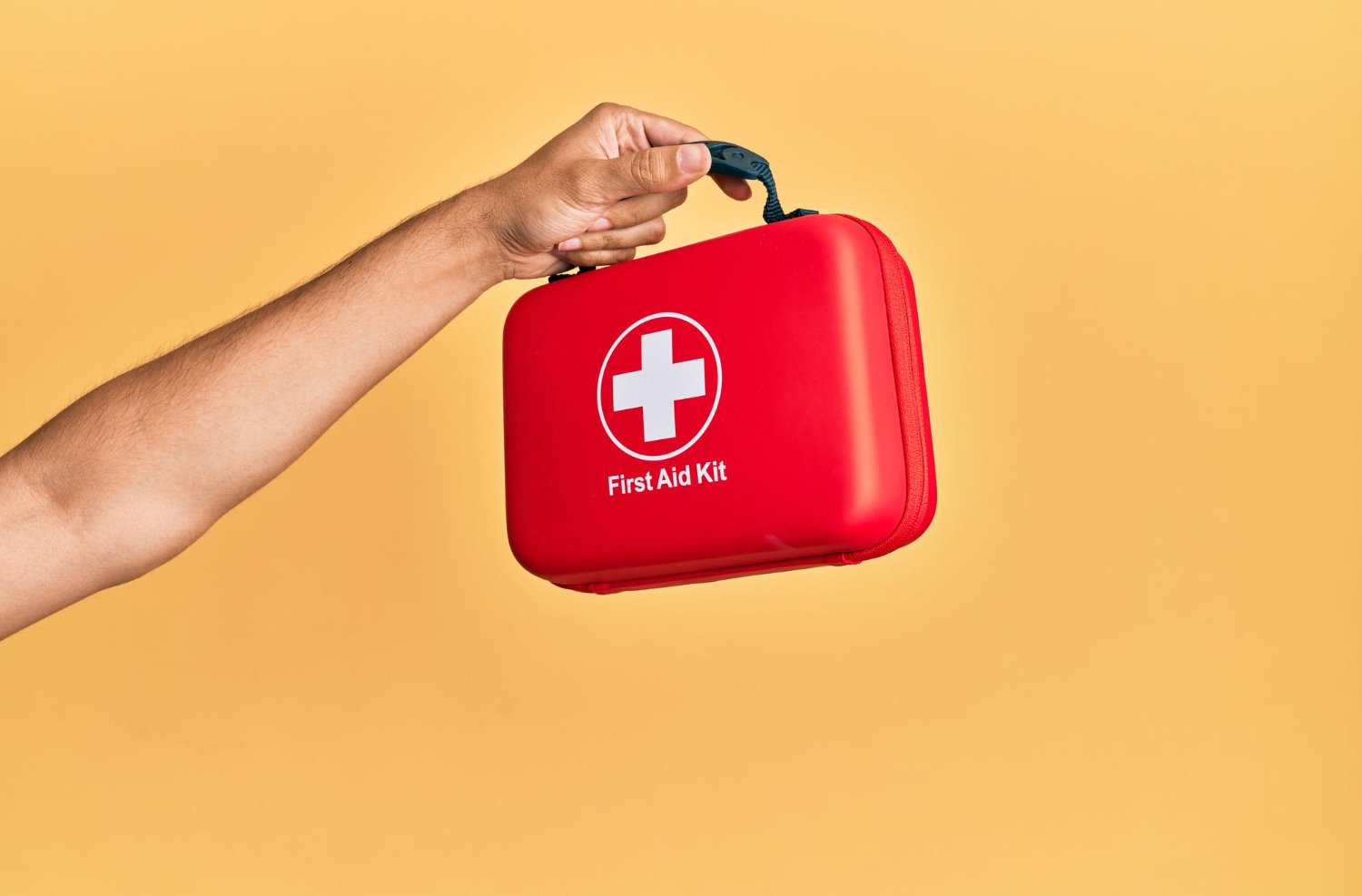
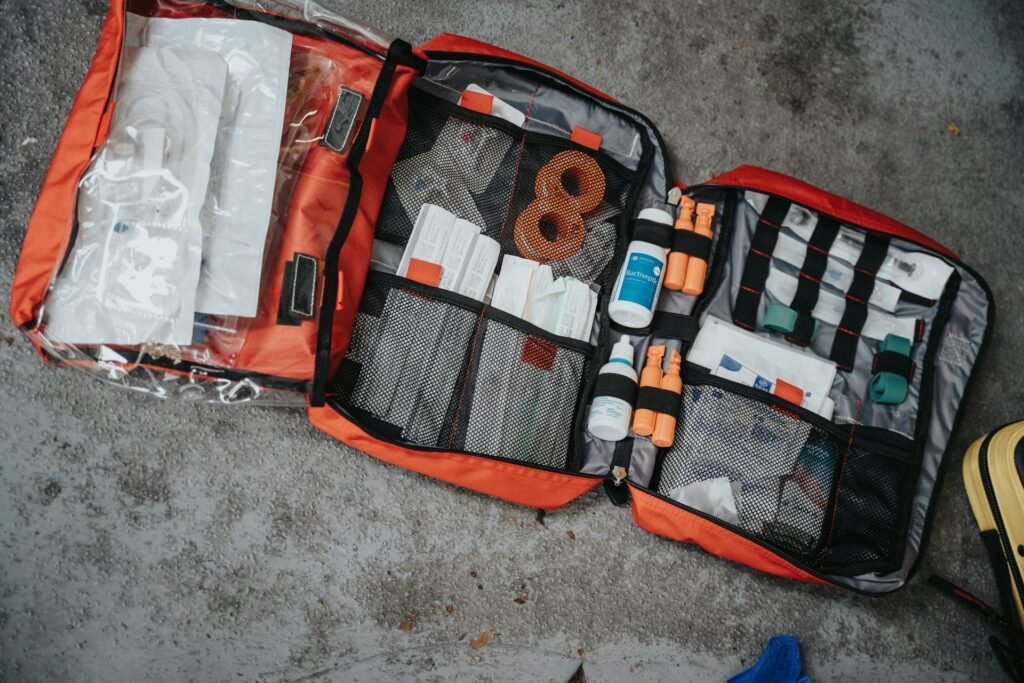
Keeping a basic first aid kit at home, in the car, or at work allows quick response to common injuries. Even more important is understanding how and when to use first aid techniques correctly. Taking a certified first aid and CPR course can build confidence and improve response during emergencies.
Bottom Line
Basic first aid knowledge is a valuable life skill that empowers people to act responsibly during emergencies. Simple actions taken at the right time can prevent injuries from worsening and may even save lives. Staying informed, prepared, and calm can make all the difference when every second counts.